Split air conditioning units in Hampton, GA are the fix most homeowners reach for when a room never cools down or an add-on space was never ducted. Mini-splits solve both problems without tearing into walls for new ductwork. Below is what installation, repair, and upkeep actually cost in 2026, plus the warning signs that mean it's time to pick up the phone.
What Counts as a "Split" Air Conditioning System?
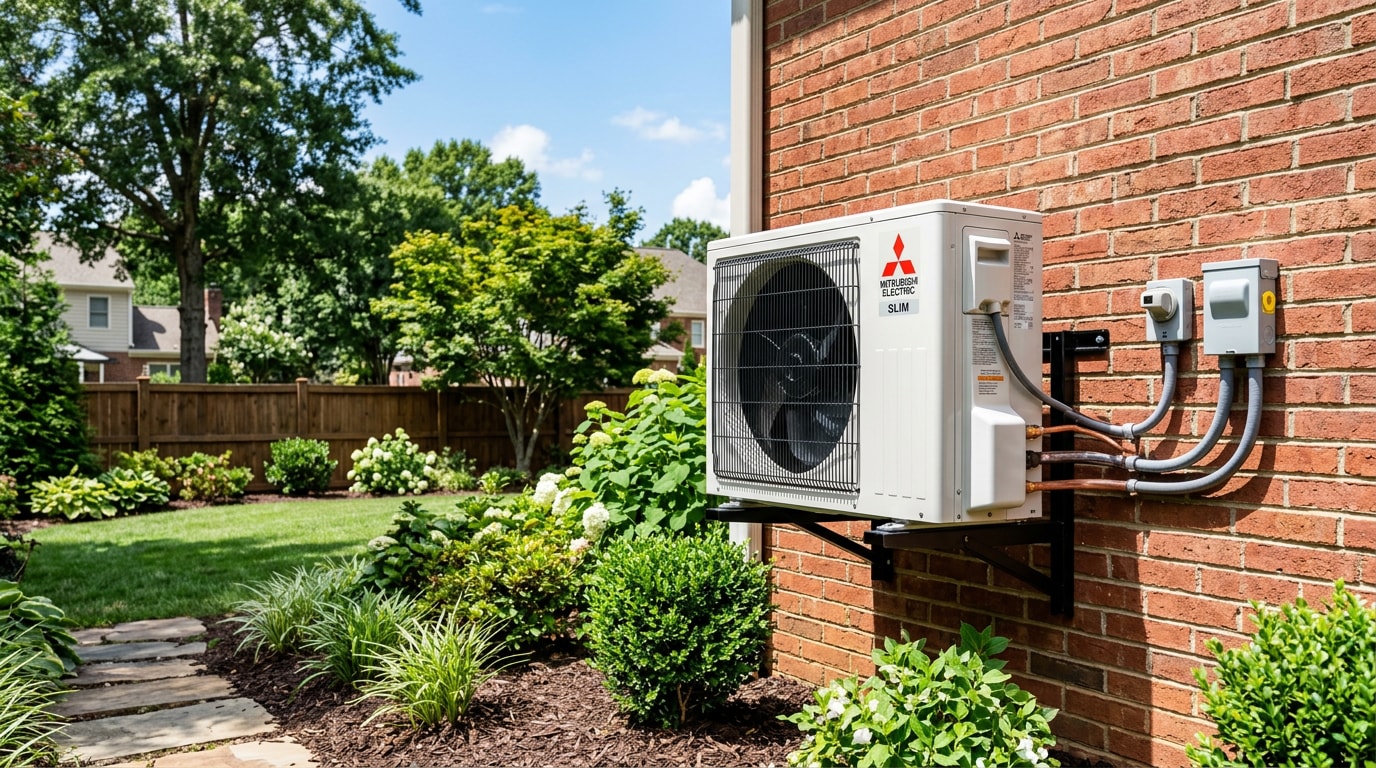
A split system has two main parts: an indoor air handler and an outdoor condensing unit, connected by refrigerant lines instead of ductwork. Traditional central air is technically a split system too, but when Hampton homeowners say "split unit," they usually mean a ductless mini-split, the kind with a wall-mounted or ceiling-cassette indoor head.
Mini-splits work well in garages, sunrooms, additions, and older farmhouses around Hampton that were never built with duct chases. They also let you run zoned cooling, where one room stays at 68°F while another sits at 74°F, instead of conditioning the whole house to one setting.
Split System Cost in Hampton, GA
Pricing depends on how many zones you need, BTU sizing, and how far the outdoor unit sits from each indoor head. Here's a general range homeowners can expect for 2026 projects:
| Service | Typical Price Range | Notes |
|---|---|---|
| Single-zone mini-split install | $2,500 – $5,500 | Includes one indoor head, one outdoor unit |
| Multi-zone install (2–4 zones) | $6,000 – $14,000 | Price scales with zone count and line length |
| Mini-split repair | $150 – $900 | Varies by part (board, motor, refrigerant) |
| Annual maintenance visit | $100 – $250 | Per system, per visit |
| Full system replacement | $3,000 – $8,000+ | Depends on tonnage and efficiency tier |
These are planning numbers, not quotes. Wall material, electrical panel capacity, and local permit requirements all shift the final price, which is why an in-home assessment is worth scheduling before you commit to a number you saw online.
Mini-Split Installation in Hampton, GA
A mini-split installation pairs an indoor air handler with an outdoor condenser, linked by a small conduit instead of bulky ductwork. It's the practical option for additions, garages, and any room central air can't reach affordably. Homeowners can choose a single-zone setup for one room or a multi-zone system that cools several areas independently.
Installation timelines vary more than most online quotes suggest:
- Single-zone install: Half a day to a full day on an existing exterior wall
- Multi-zone install (3+ heads): One to two full days, depending on wall material and line-set routing
- Jobs needing new electrical circuits: Add extra time for panel work and inspection
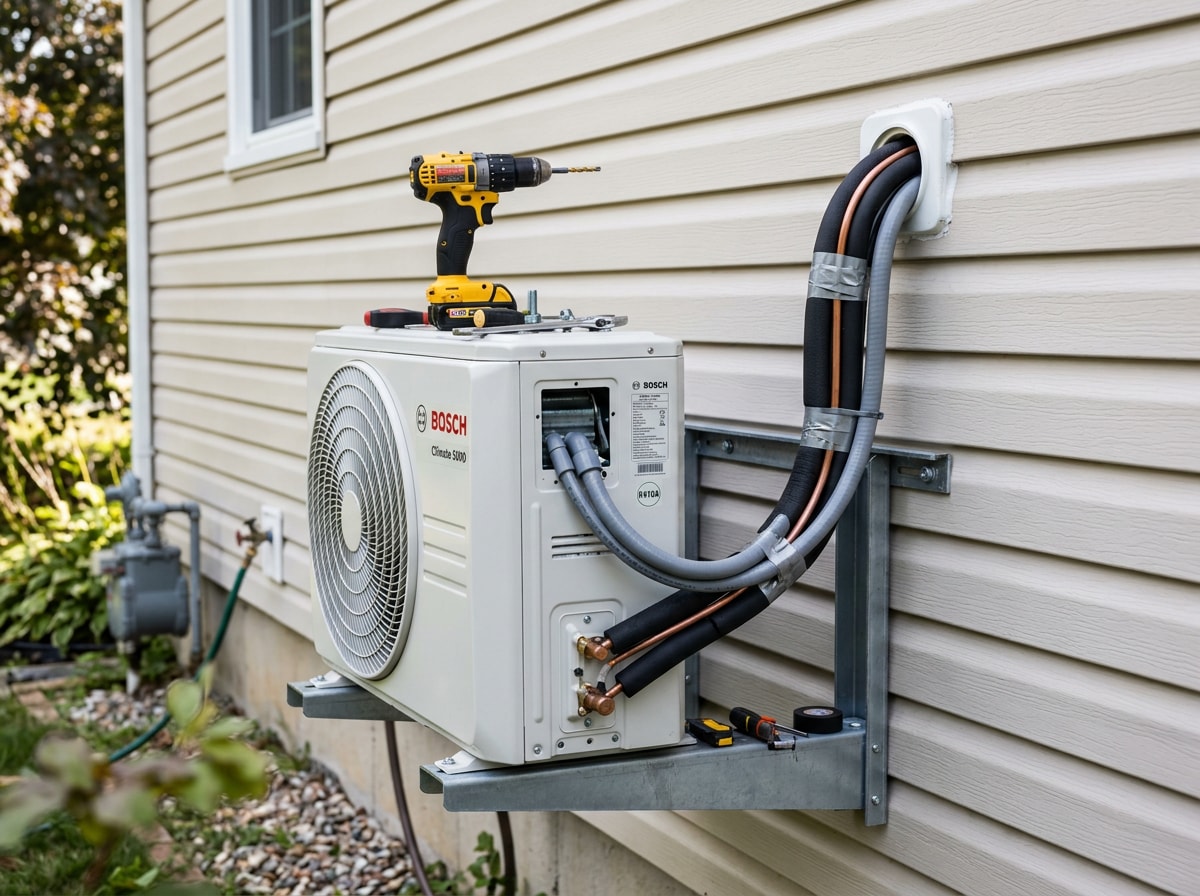
Our crews have mounted outdoor units on everything from 1960s brick ranches to new-construction vinyl siding in Hampton, and the wall type alone can change a job from a half-day to a day and a half. You can see examples of recent local installs on our projects page. For a full breakdown of what's included, visit our mini-split and AC installation services.
Warning Signs Your Split System Needs Repair
A struggling mini-split usually gives warning before it fails outright. Watch for:
- Weak or uneven airflow from the indoor head
- Strange rattling, clicking, or hissing noises
- Musty odors when the system runs
- Frequent short-cycling (turning on and off rapidly)
- Climbing electric bills with no change in usage
- Warm air blowing instead of cold
If a mini-split is not cooling the way it used to, don't assume it needs full replacement. It could be a dirty filter, a low refrigerant charge, or a failing capacitor. Refrigerant work specifically requires a federally certified technician: under the Clean Air Act, EPA regulations require that technicians who maintain, service, repair, or dispose of equipment that could release refrigerants into the atmosphere must be certified . That's not a box to skip, even on a small residential system.
A failing unit rarely fixes itself. Catching these signs early usually costs less than waiting for a full breakdown. If the system quits during a Georgia heat wave, our emergency air conditioning repair team can walk you through what to expect, and our write-up on emergency AC repair in Henry County covers the typical response timeline in more detail. For straightforward refrigerant issues, see our refrigerant recharge service, and for general diagnostics, our AC repair page.
Repair or Replace? How to Decide
Three factors drive this decision: the unit's age, how often it's broken down recently, and whether the repair bill is approaching the cost of a new system.
A common industry rule of thumb: if a single repair quote exceeds 50% of the cost of a new system, replacement is usually the smarter long-term move. Age matters too. Mini-splits over 10–12 years old often run on outdated compressor technology, meaning a new unit may cool better while costing less to run every month.
If you're weighing a full swap, our HVAC system replacement page outlines what's involved, and homeowners dealing with a unit that won't come on at all may find our AC condenser troubleshooting guide useful before calling for service.
Mini-Split Maintenance: What Hampton Homeowners Should Do
Routine maintenance protects both performance and manufacturer warranties. A typical annual or twice-yearly visit covers:
- Cleaning or replacing the indoor filter
- Inspecting and clearing the condensate drain
- Checking refrigerant pressure
- Cleaning the outdoor condenser coil
- Tightening electrical connections and testing capacitors
Skipping these steps is one of the most common reasons systems underperform or fail early. Our AC maintenance program covers all of this on a set schedule, and if your home also runs central air alongside a mini-split, pairing it with air filter replacement keeps both systems working efficiently.
Energy Efficiency: How Much Can You Actually Save?
Ductless systems typically cost less to operate than older central air setups because they skip ductwork entirely. Mini splits cool directly from the unit, rather than passing through a network of fabricated ductwork, eliminating energy losses from ductwork which can account for more than 30% of a home's energy use for space conditioning.
That gap is bigger than most homeowners assume. Federal research on ductless heat pumps found that distribution losses associated with ductless systems are typically estimated to be 1 to 5 percent , compared with the double-digit losses common in leaky, poorly sealed attic ductwork. That's a real, measurable difference, not a sales pitch.
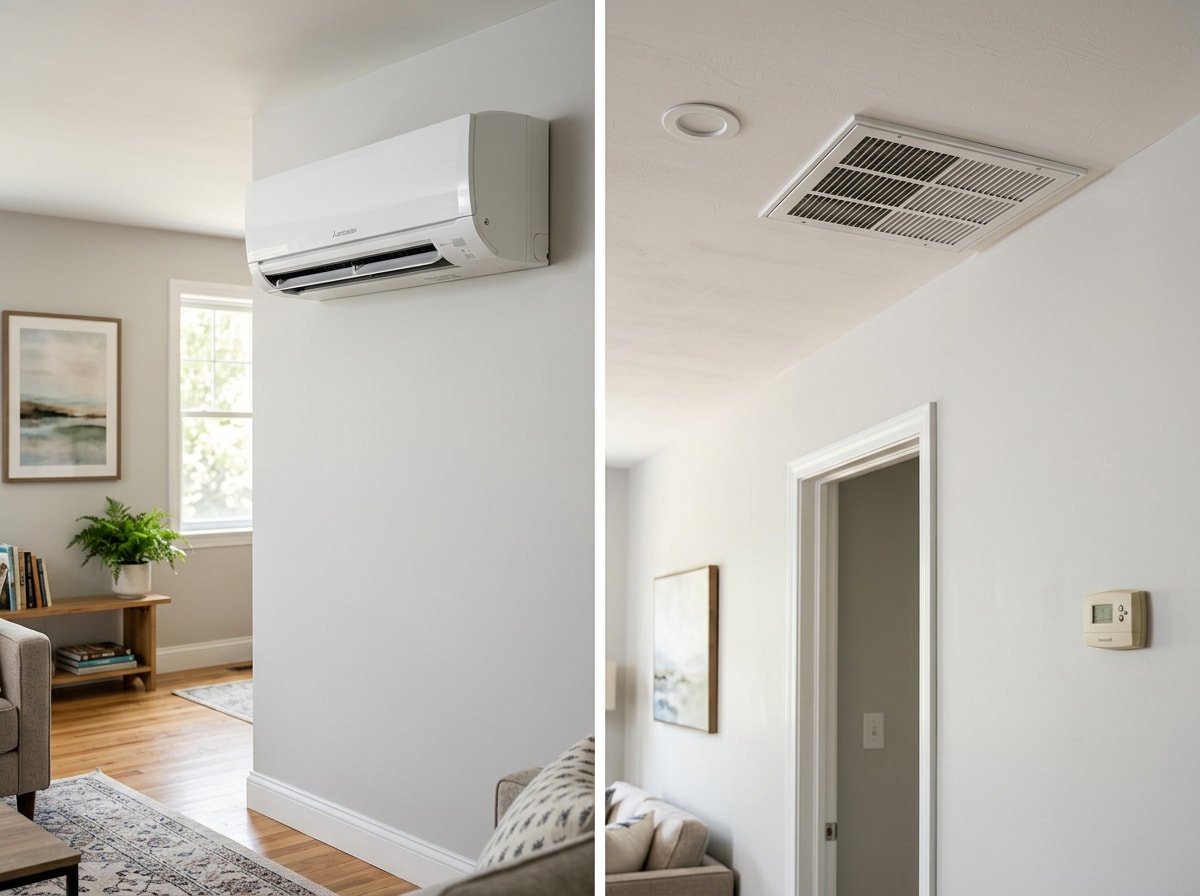
For a humid Georgia summer, that difference compounds. A central system working harder to offset duct losses and humidity swings runs longer per cycle than a zoned mini-split cooling only occupied rooms. The practical result for most Hampton households is lower monthly bills, especially in homes with inconsistent ductwork or rooms that sit empty most of the day.
Choosing a Local Hampton, GA Contractor
In over a decade of servicing split systems across Henry County, the single biggest mistake we see isn't a bad unit, it's an undersized or mis-located outdoor unit installed by someone who skipped a proper load calculation. That mistake shows up later as short-cycling, high bills, or a unit that just never quite keeps up.
Look for a contractor who:
- Performs an actual load calculation, not a guess based on square footage
- Is licensed and carries EPA 608 certification for refrigerant work
- Offers a written quote before, not after, the job starts
- Services the specific brand you're buying
We serve Hampton, GA and the surrounding Henry County area, along with South Metro Atlanta more broadly. You can see our full service lineup on the HVAC contractor services page or start with our homepage for an overview of everything we offer.
Ready to find out what a split system would cost for your specific home? Schedule a free inspection and we'll walk the space with you before recommending anything.
FAQ
How much does mini-split installation cost in Hampton, GA?
A single-zone installation typically runs $2,500 to $5,500. Multi-zone systems with two to four indoor heads usually land between $6,000 and $14,000. Exact pricing depends on BTU sizing, wall type, and line-set length, so a precise quote requires an in-home assessment.
How long does mini-split installation take?
A single-zone install is usually a few hours to a full day. Multi-zone systems can take one to two days or longer, depending on wall material, electrical work, and the distance between indoor and outdoor units.
What size mini-split do I need?
Sizing depends on room square footage, ceiling height, insulation, and sun exposure, not square footage alone. A 12,000 BTU unit commonly handles 500–600 square feet, but an undersized or oversized unit will short-cycle and waste energy either way. A technician should run a load calculation rather than estimate.
How often should a ductless mini-split be serviced?
Once or twice a year, ideally before peak cooling season. That visit should include a filter check, coil cleaning, condensate drain clearing, and a refrigerant pressure check.
Are mini-splits worth the cost for a Hampton home?
For most homeowners without existing ductwork, yes. The upfront cost is often offset by lower monthly operating costs, zoned comfort, and the ability to skip a costly ductwork retrofit entirely.
What's the difference between a mini-split and central air?
Central air uses one indoor air handler and distributes cooled air through ducts to every room. A mini-split uses one or more individual indoor heads with no ductwork, allowing each zone to be controlled separately. Mini-splits generally cost more upfront per zone but lose less energy in distribution.
My mini-split isn't cooling. Do I need a new unit?
Not necessarily. Weak cooling is often a dirty filter, low refrigerant, or a dirty outdoor coil, all repairable issues. Full replacement usually only makes sense once repair costs approach 50% of a new system's price or the unit is past 10–12 years old.
---
This guide was reviewed by a NATE-certified HVAC technician on our team who has installed and serviced split systems across Henry County and the greater Hampton, GA area for more than 12 years. Questions about your specific home? Contact us directly.