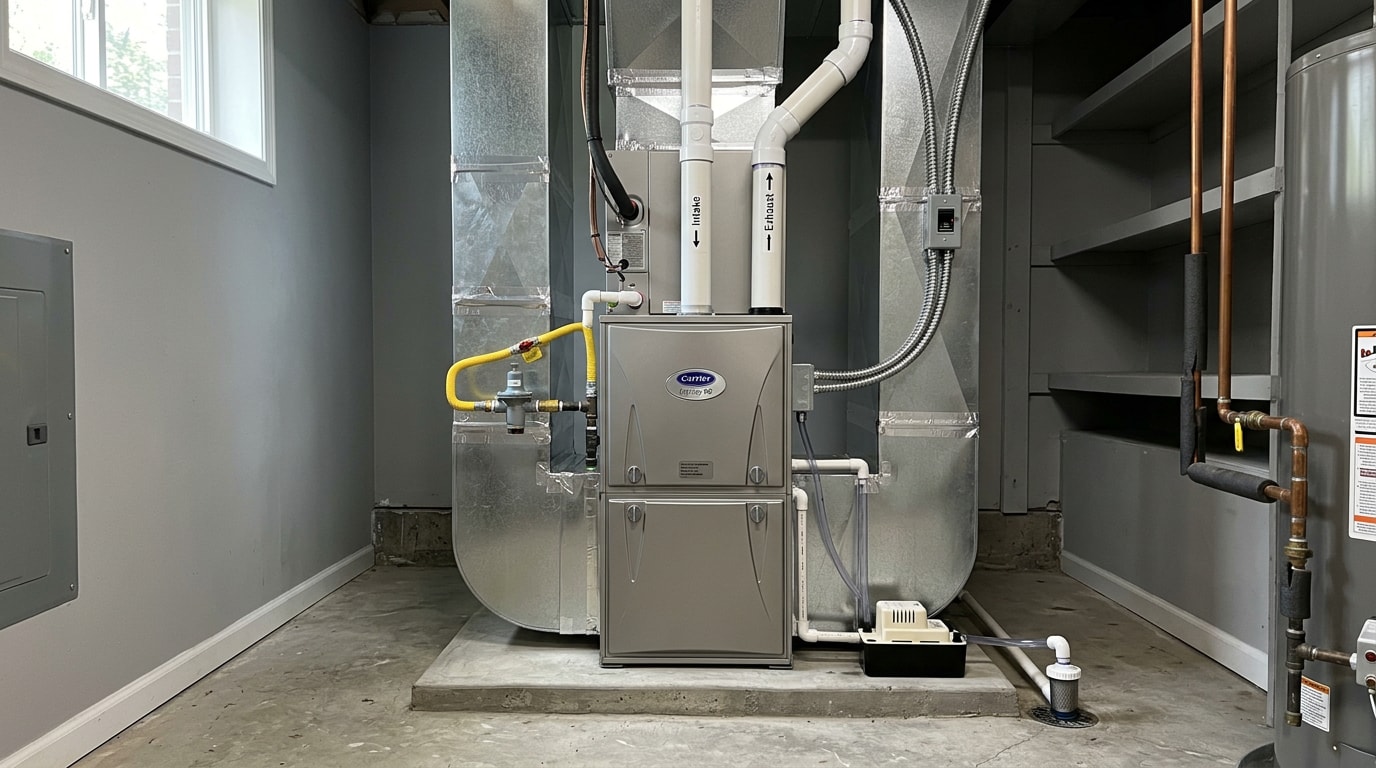
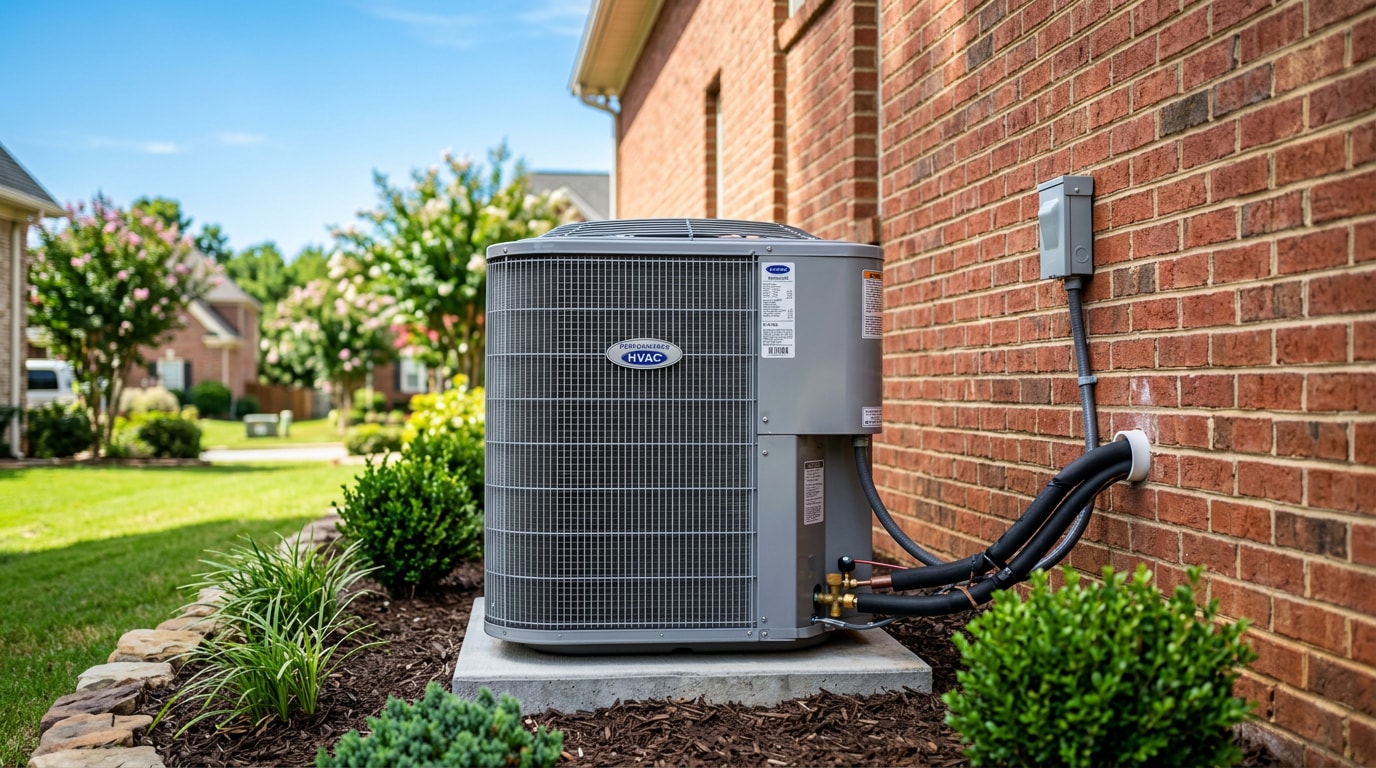
HVAC repair cost in Henry County, GA typically falls between $150 and $625 for a single-part fix, with full system replacements landing between $5,500 and $11,000. This guide breaks down 2026 pricing by repair type, unit, and contractor, plus a rebate change that caught a lot of Henry County homeowners off guard this year. After pricing hundreds of service calls across McDonough, Stockbridge, and Hampton this year, we see the same handful of repairs show up on almost every ticket, and this guide reflects that real-world mix, not just national averages.
Signs You May Need HVAC Repair or Replacement
Before pricing anything out, it helps to know what you're dealing with. Watch for these warning signs:
- Strange noises when the system kicks on
- Visible corrosion or cracking on the outdoor unit
- Repeated breakdowns that keep bringing a tech back to your door
- Refrigerant leaks or hissing sounds near the lines
- Poor air circulation or uneven heating and cooling
- Thermostat glitches that won't hold a set temperature
- A sudden spike in your energy bill with no change in usage
If your system is older than 15 years, these symptoms show up more often and cost more to chase down. We'll unpack that math in the repair-vs-replace section below. An AC not cooling properly or a furnace that short-cycles is usually your cue to schedule an HVAC repair rather than wait it out.
Average HVAC Repair Costs in Henry County, GA
Across McDonough and the rest of Henry County, most repair costs land between $150 and $625 per visit, with full system replacements running $5,500 to $11,000. Here's how that top-line number breaks down by part, unit type, and maintenance tier.
Cost by Repair Type
Most single-component HVAC repairs cost between $150 and $625, depending on the part. A diagnostic or dispatch fee to send a technician to your home typically runs separately from the repair itself.
| Repair | Typical Cost Range |
|---|---|
| Diagnostic / dispatch fee | $75–$150 |
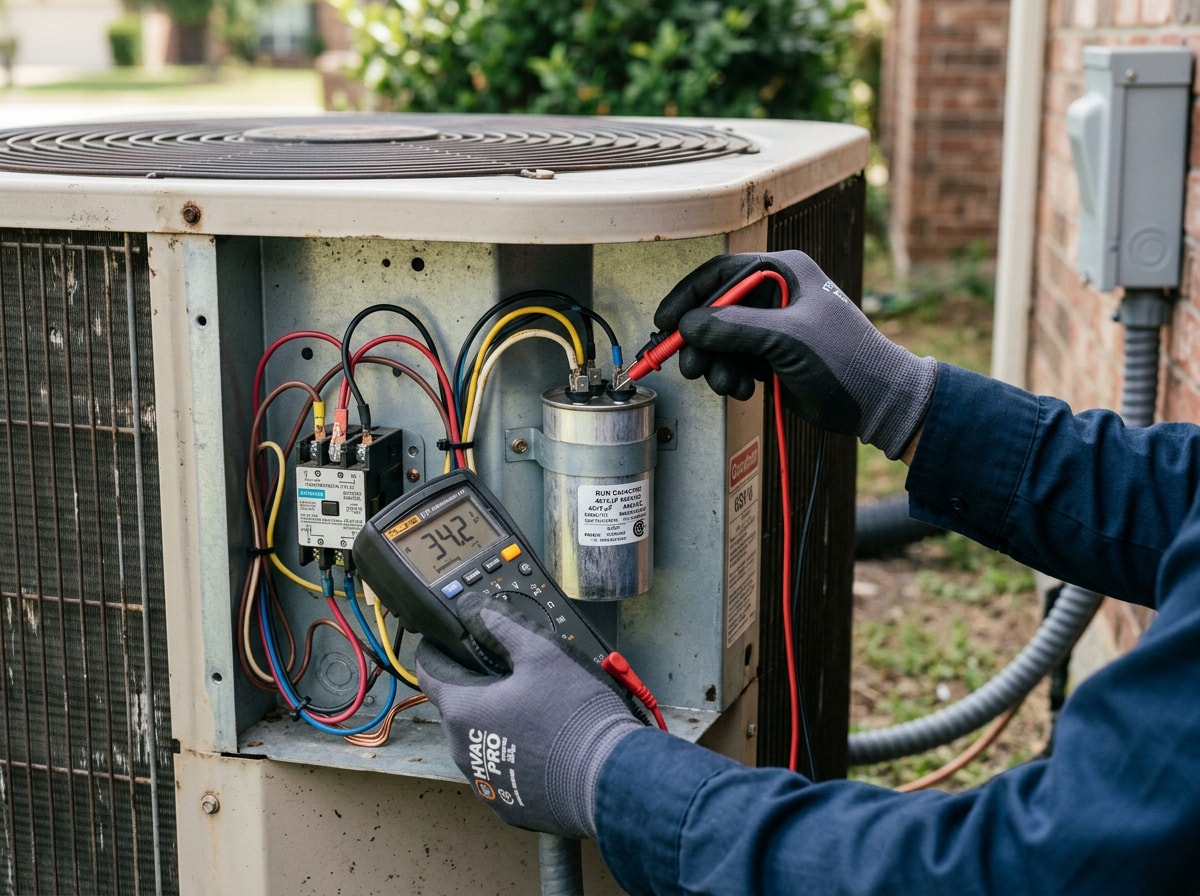
| AC capacitor | $185–$370 |
| AC contactor | $185–$415 |
| Furnace ignitor or flame sensor | $90–$275 |
| Condenser fan motor | $230–$645 |
| Refrigerant leak repair and recharge | $275–$800 |
These numbers connect back to the warning signs above. Poor air circulation often traces back to a failing blower or condenser fan motor, while a system that won't hold temperature may point to a capacitor issue. A refrigerant leak is one of the pricier fixes on this list, which explains why uneven cooling sometimes comes with a bigger bill attached.
Cost by HVAC Unit Type
Unit-level repairs cost more than single-part fixes because they often involve multiple components. Expect these broader ranges:
| Unit Type | Typical Repair Cost Range |
|---|---|
| Mini-split system | $300–$550 |
| Split system | $200–$900 |
| Packaged heating and air unit | $450–$950 |
| Heat pump | $200–$2,000 |
That wide heat pump range reflects everything from a minor sensor fix to a near-full component swap. If your quote looks different from a simple capacitor repair, you're likely comparing two different scopes of work, not getting overcharged.
HVAC Maintenance Cost by Tier
Routine maintenance is the cheaper alternative to reactive repairs.
| Tier | What's Included | Cost |
|---|---|---|
| Basic | Once-a-year inspection and cleaning | $75–$160 |
| Mid-range | Annual or bi-annual tune-up with full performance check | $160–$350 |
| Premium | Comprehensive maintenance package | $350–$650 |
Compared to a $275–$800 refrigerant repair, a tune-up on the lower end looks like cheap insurance. Many Henry County homeowners offset costs further with an HVAC maintenance plan that bundles visits at a lower rate than paying per tune-up.
Labor and Service Call Fees
A standard service call with no repairs performed typically starts around $99 in this area. That figure can vary by contractor, so confirm it before scheduling, and ask whether it gets credited toward the repair if you move forward with the work.
2026 Rebate and Tax Credit Update for Henry County Homeowners
This is the part most pricing guides still get wrong. If you're budgeting a replacement around a federal tax credit, stop and check the current rules first.
The federal Energy Efficient Home Improvement Credit (Section 25C) and the Residential Clean Energy Credit (Section 25D) were terminated for any property placed in service after December 31, 2025, under the One, Big, Beautiful Bill Act. The IRS confirmed the cutoff in its own guidance, and there is no reduced-rate transition for 2026. If you install a new system this year, you cannot claim either credit on your federal return.
That doesn't mean every incentive is gone. Georgia's state-administered Home Energy Rebates program, run through GEFA, still has funding pathways open for qualifying households, and the state's official rebate site is the most reliable place to check current status before you sign a contract. Program rules shift through the year, so confirm eligibility before budgeting a full system replacement around any rebate.
Ways to Save Money on HVAC Costs
Preventive spending now is usually cheaper than reactive repairs later.
| Service | Typical Cost |
|---|---|
| Filter replacement | $61–$161 |
| Thermostat repair | $81–$202 |
| Condenser coil cleaning | $125–$375 |
| Ductwork cleaning | $387–$969 |
Each of these heads off a bigger repair bill down the line. A dirty filter can strain a blower motor, and neglected ducts can push a system toward the refrigerant and compressor issues covered earlier. Routine air filter replacement and periodic duct cleaning are some of the easiest ways to lower your lifetime repair costs.
Is It Worth Repairing My AC Unit?
The answer depends on your unit's age, the severity of the problem, and what the repair actually costs. In most cases, repairing makes sense if your unit is under 10 years old and the issue isn't major, think capacitor or contactor replacement, not a failed compressor.
Age changes the math fast. A $275–$800 refrigerant repair on a 6-year-old system is a reasonable investment. That same repair on a 14-year-old unit, next to a $5,500–$11,000 replacement, often isn't, especially once you factor in R-22.
Since 2020, no new R-22 refrigerant has been produced or imported in the United States, which makes repairs on older R-22 systems expensive because they rely on scarce, recycled supply. Replacing a compressor requires a full refrigerant charge, and R-22 scarcity can push that single repair cost above the value of the whole system. The EPA's guidance on servicing R-22 equipment lays out exactly what homeowners with older systems are up against. This is the clearest case for leaning toward replacement, regardless of how the rest of the unit is performing.
How to Choose a Local HVAC Company
Once you know roughly what a repair should cost, vetting the contractor matters just as much.
Compare multiple bids. Contact at least three HVAC providers and describe your issue clearly, scheduling an in-person inspection when possible. Compare each company's diagnosis, suggested repairs, estimated costs, warranties, and timeframes side by side. Be wary of anyone who pressures you to decide on the spot or demands payment upfront.
Understand the work details. Ask the company to explain exactly which parts need replacing and why. A vague answer here is a red flag. Confirm your technician will test the full system afterward, not just swap the failed part and leave.
Compare warranties. A reputable HVAC company stands behind its work with a warranty. Read the fine print for each contractor's terms and pick the one offering the most protection at a fair price.
Ask about dispatch fees. Legitimate companies charge a diagnostic or dispatch fee, typically $75 to $150, to cover drive time and labor for sending a tech out. During peak summer months, expect that fee toward the higher end of the range.
If you'd rather skip the bidding process, schedule a free inspection and we'll give you a straight answer on repair versus replace before any work starts. You can also browse our homepage to see the full range of services we handle in one visit.
HVAC Licensing and Permits in Henry County
Any project involving a full system replacement, new ductwork, or electrical work tied to a unit requires a mechanical permit from the Henry County Building and Plan Review Department at 140 Henry Parkway in McDonough. Skipping this step can cause problems later with insurance or resale.
In Georgia, every HVAC contractor must hold a state Conditioned Air Contractor license, either a restricted Class I or the unrestricted Class II, which requires several years of documented experience. You can verify a contractor's license status through the Georgia Secretary of State's licensing division before letting anyone touch your system. Simple repairs on an existing system generally don't require a separate permit, but always confirm with your contractor if the scope grows beyond a straight part swap.
If you're anywhere in Henry County, including McDonough, our licensed techs handle the permit paperwork on replacement jobs so you don't have to track it down yourself. For a real look at what happens after you call, read our guide on emergency AC repair in Henry County.
FAQ
How does Henry County's humidity affect my HVAC system?
Henry County's hot, humid summers push air conditioning systems to run nearly continuously for months at a time. That extra runtime accelerates wear on compressors and coils, which is part of why repairs show up more often here than in drier climates.
How much does AC repair cost?
AC repair cost varies by the specific problem, but a simple repair typically runs under $500. More extensive work, like a compressor or major coil issue, pushes the total higher, consistent with the repair-type ranges covered earlier in this guide.
Are emergency HVAC repairs more expensive than regular service calls?
Emergency repairs may cost somewhat more due to after-hours service, but the gap is usually modest rather than dramatic. A trustworthy contractor will still give you a clear, detailed estimate before starting any work, regardless of the hour.
Why do I need to replace my old R-22 system instead of repairing it?
Since 2020, no new R-22 refrigerant has been produced or imported in the U.S., which makes repairs on these older systems unusually expensive due to scarce, recycled supply. See the repair-vs-replace breakdown above for how that scarcity shifts the math toward replacement.
Is there still a federal tax credit for HVAC replacement in 2026?
No. The federal 25C and 25D home energy credits expired for any equipment placed in service after December 31, 2025. Check Georgia's state rebate program and your utility for current incentives before you budget a replacement.
Do I need a permit for HVAC repair in Henry County?
Usually not for a straight part repair. You do need a mechanical permit for a full system replacement, new ductwork, or electrical work tied to the unit, pulled through the Henry County Building and Plan Review Department.