If your furnace in South Metro Atlanta stopped heating overnight, checking the pilot light on furnace units is the fastest way to find out why before you call anyone. Most checks take under 10 minutes with a flashlight and a few safety steps. Here's exactly where to look, what a healthy flame should look like, and the point where DIY needs to stop.
Where Is the Pilot Light on a Furnace?
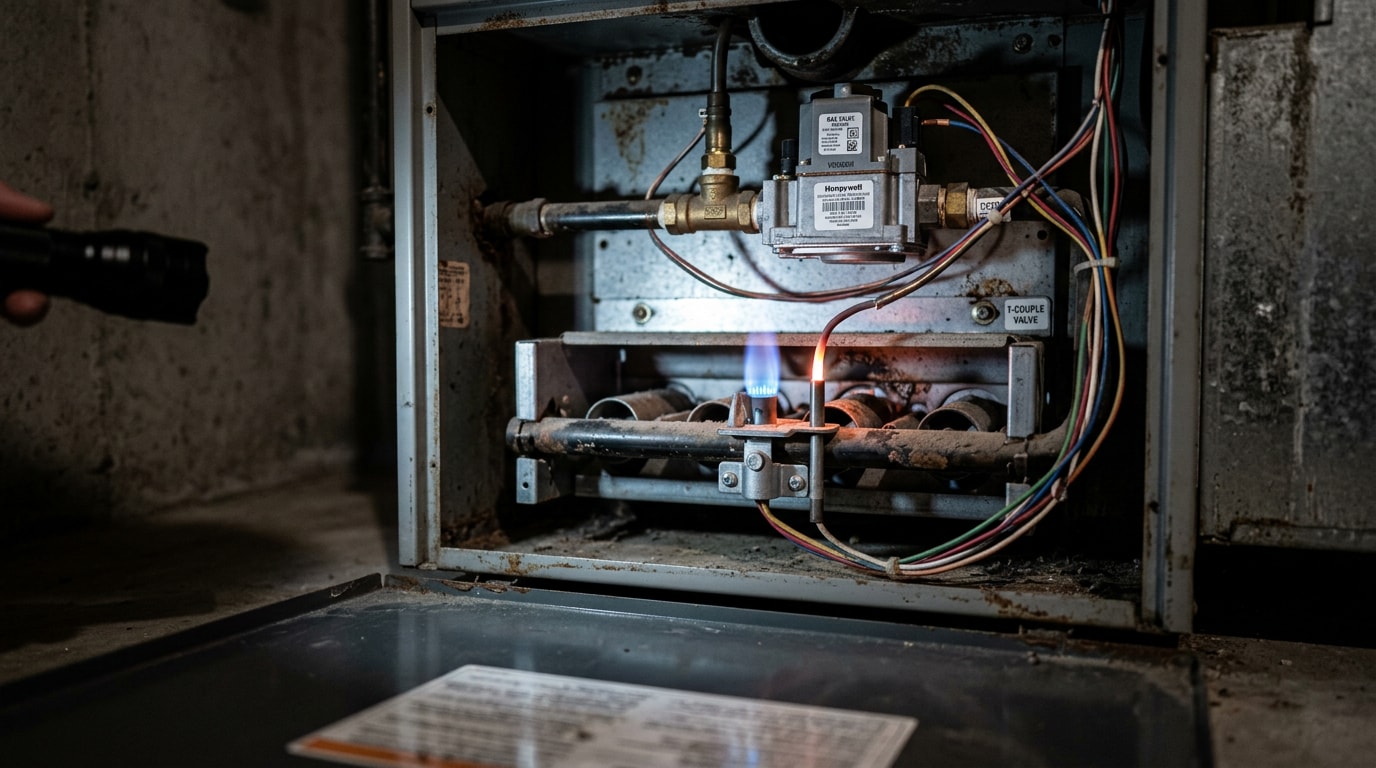
On most furnaces installed before roughly 2010, the pilot assembly sits near the bottom front of the unit behind a removable access panel. The panel usually lifts off or unscrews with a standard screwdriver.
Once it's off, look for a small metal tube with a burner tip. That's the pilot. Nearby, a thin metal rod runs close to the flame. A malfunctioning thermocouple, a safety device that regulates the gas flow to the pilot light, can cause the pilot light to go out, affecting the ignition system and preventing the furnace from operating properly. A flashlight helps here since the compartment is usually dim and crowded with other components.
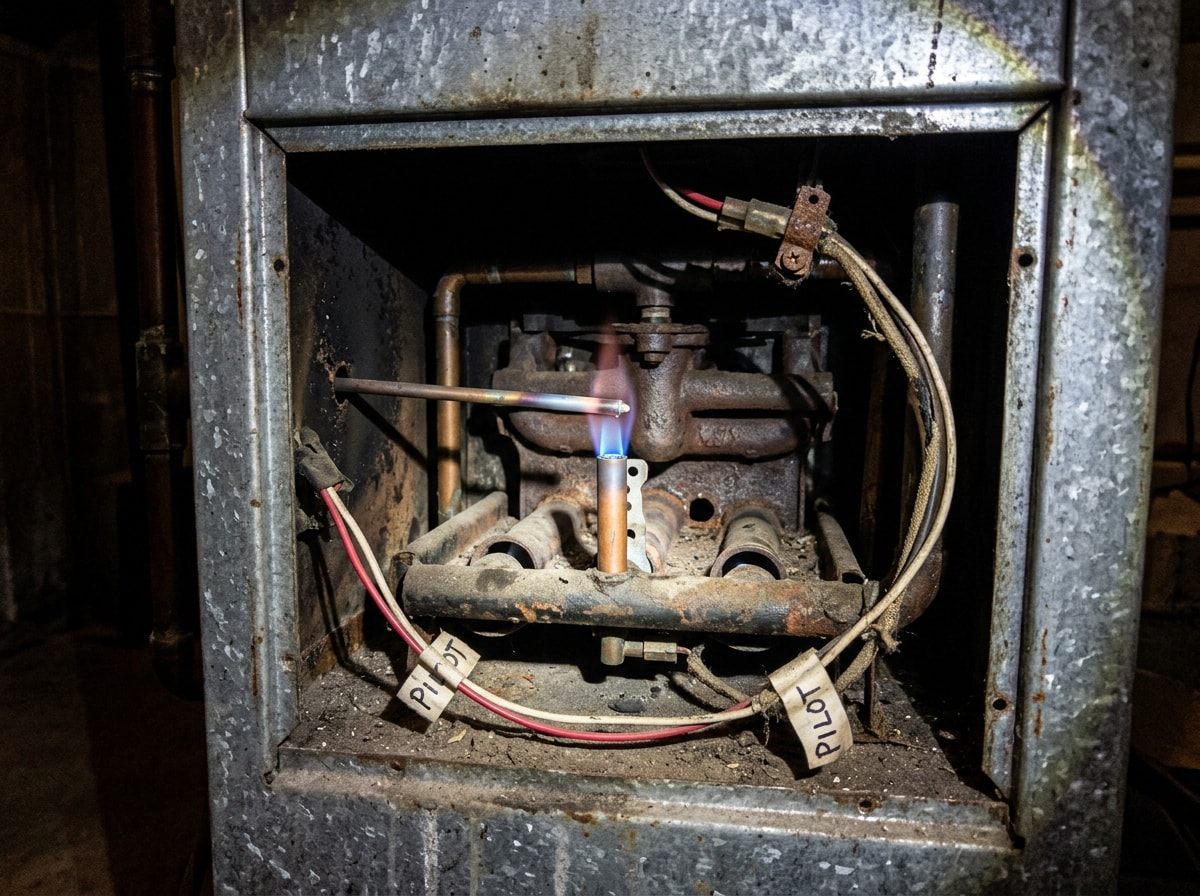
If the panel reveals scorched wiring, rust, or a cracked heat exchanger instead of a simple pilot problem, that's outside DIY territory. Our furnace repair team handles those calls across the metro.
Standing Pilot or Electronic Ignition? Confirm This First
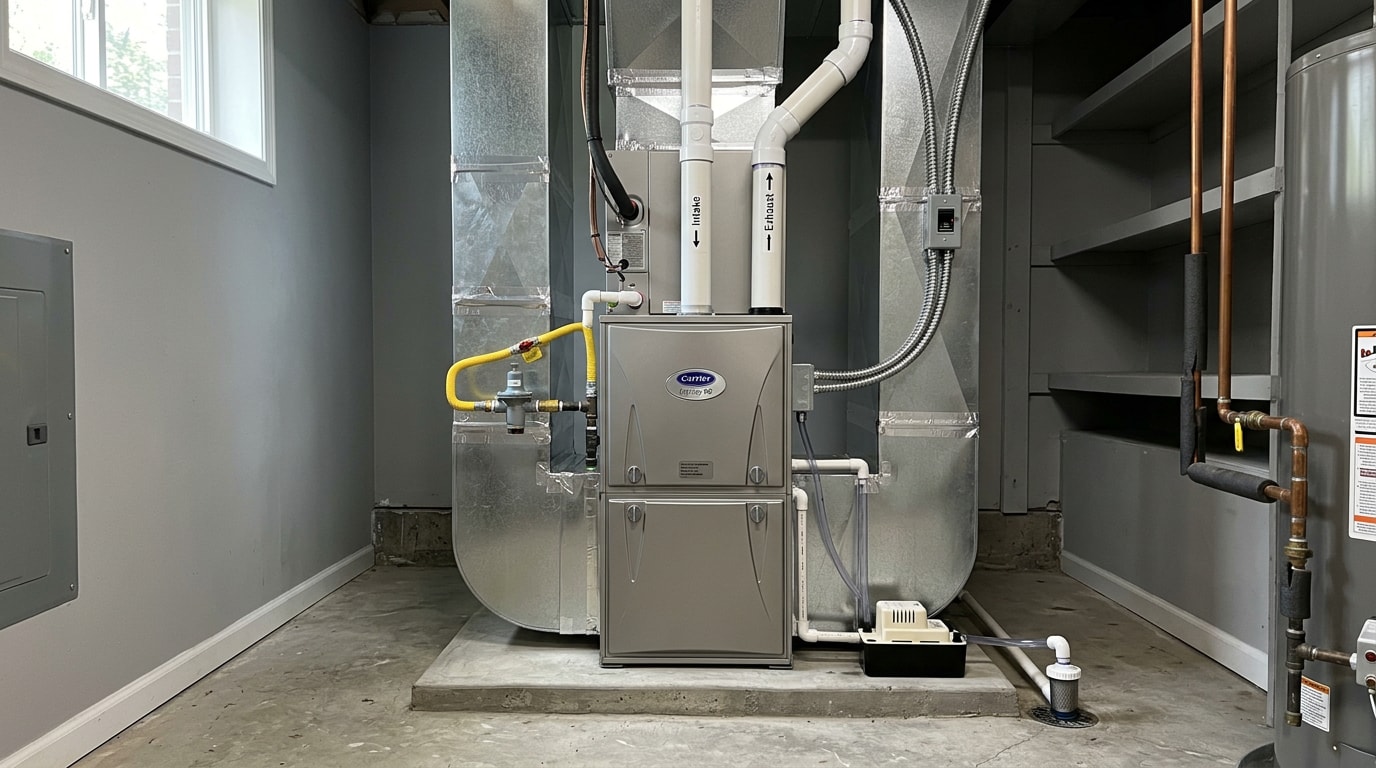
Before doing anything else, figure out which ignition system you actually have. A small, continuous flame burning at all times means a standing pilot light. No flame at all, even while the furnace is running normally, usually means a hot surface igniter or electronic ignition system instead.
Newer furnaces tend to have hot surface igniters or electronic igniters instead of pilots, so if you don't see an open flame when the furnace is off, don't worry. If that's your setup, the manual relight steps later in this guide won't apply, and a technician visit is the faster path to a fix.
One thing we see a lot on service calls in Henry, Clayton, and Rockdale counties: furnaces here sit mostly idle from April through October. That long dormant stretch gives dust time to settle around the pilot assembly, so the very first cold snap of the season is when pilot problems show up most often.
Safety Precautions Before You Check or Relight a Pilot Light
Follow this order every time:
- Turn the thermostat down or off.
- Shut off power to the furnace at its switch or breaker.
- Open a nearby window or door for ventilation.
- Do a quick smell check for gas before touching anything.
Clear away flammable clutter, boxes, cleaning supplies, paper, stored near the unit while you're in there.
If you smell gas at any point, stop immediately, leave the house, and call your gas utility from outside. Don't attempt to check or relight anything yourself in that situation. Gas- and oil-burning furnaces produce carbon monoxide (CO), an invisible, odorless, poison gas that kills without warning , which is exactly why the smell check and ventilation step matter even before you open the panel. The CDC's furnace safety fact sheet covers this in more detail.
How to Inspect the Pilot Light Flame
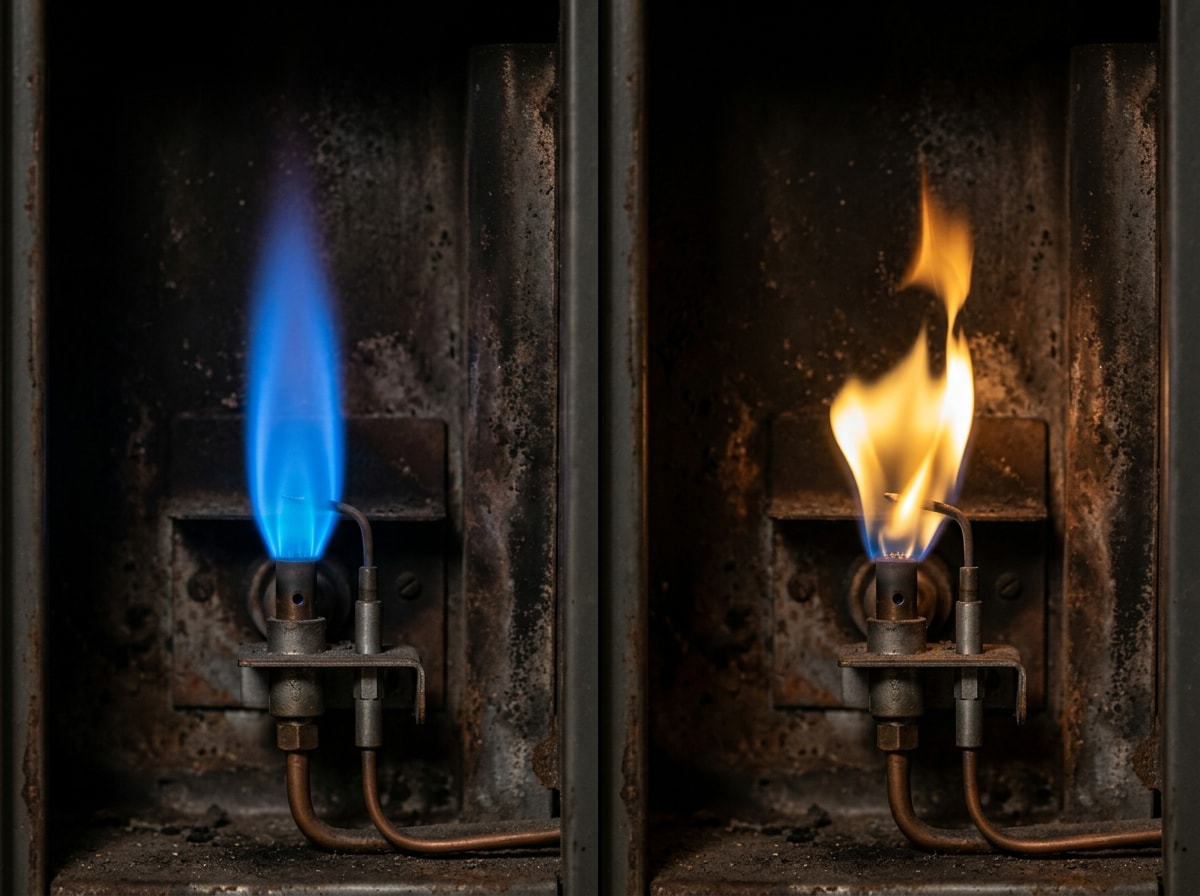
A healthy pilot flame burns steady and mostly blue. A natural gas flame should be a bright blue color with a small amount of yellow at the very tip, and should be strong enough to cover about 1/2 inch at the end of the thermocouple tip. Anything else points to a problem worth investigating.
Healthy flame signs:
- Steady and mostly blue
- Fully surrounds the thermocouple tip
- Small yellow tip only at the very top
Warning signs:
- No visible flame at all
- Weak, flickering, or small flame
- Mostly yellow or orange flame color
- Flame constantly moving or jumping (often a draft issue)
Improper adjustment, often indicated by a persistent yellow-tipped flame, causes increased pollutant emissions, and a gas company can adjust the burner so the flame tip is blue. That's worth taking seriously, since a yellow flame is tied directly to incomplete combustion and carbon monoxide output. The EPA's guide to combustion product sources explains why flame color is a real health indicator, not just a cosmetic issue.
Step-by-Step: How to Relight a Furnace Pilot Light
- Turn the gas control knob to Off and wait about 5 minutes for any lingering gas to clear.
- Turn the knob to Pilot.
- Press and hold the reset button (on some models, you press the knob itself).
- Light the pilot with a long lighter or match while continuing to hold the button.
- Keep holding for 30 to 60 seconds, then release.
- Turn the knob to On and confirm the burners ignite.
If it won't catch after two attempts, stop. Repeating the process over and over isn't a good sign. It usually means a part has failed, and it's time for a licensed technician.
Why Does the Pilot Light Keep Going Out?
A handful of issues cause this repeatedly:
| Cause | DIY-Safe? | What's Involved |
|---|---|---|
| Dirty or soot-covered thermocouple | Yes, gentle cleaning | Wipe tip with a soft cloth, no chemicals |
| Dust in the pilot tube | Yes | Compressed air or a soft brush |
| Draft reaching the pilot area | Yes | Check for gaps, loose panels, nearby vents |
| Bent or misaligned thermocouple | No | Needs precise repositioning by a technician |
| Failing gas valve or low gas pressure | No | Requires licensed repair and pressure testing |
Thermocouple replacement and gas valve work should go to a licensed professional. These involve gas-carrying components that have to be sealed and tested correctly, not just reassembled. For homes across South Metro Atlanta, our heating system maintenance service catches worn thermocouples and weak pilot assemblies before they leave you without heat on a cold night. If your furnace runs on electric components instead of standing gas pilots, our guide to furnace electric repair in Rockdale County walks through that system separately.
When to Call a Local HVAC Pro
A pilot that won't stay lit after one careful relight attempt, a yellow or flickering flame, or any gas smell are all reasons to stop troubleshooting and call for help. So is a furnace that's more than 15 years old and showing repeated pilot failures. At that point you're usually looking at a worn thermocouple or a gas valve nearing the end of its life, not a quick fix.
Installing carbon monoxide alarms outside each sleeping area, inside each bedroom, and on every level of the home, including the basement, is recommended by the National Fire Protection Association , and it's a cheap safeguard regardless of how your pilot check turns out. The NFPA's carbon monoxide safety tip sheet has the full placement guidance.
If you'd rather skip the troubleshooting altogether, or the pilot won't hold after a second attempt, schedule a free inspection and we'll check the thermocouple, gas pressure, and burner assembly in one visit. For furnaces that need more than a relight, our emergency heating repair team covers same-day calls across the area. You can see the full range of what we handle on the HelpYourAC homepage.
FAQ
How do I know if my pilot light is out?
Look through the access panel described above. No visible flame at all means it's out. If you have electronic ignition instead of a standing pilot, there's no visible flame even when the furnace is working correctly, so check your ignition type first.
Can I relight the pilot light myself?
Yes, it's generally safe to relight a pilot light yourself if you follow the manufacturer's instructions and the safety steps above. Stop immediately if you smell gas or it won't catch after two tries.
Why does my furnace pilot light keep going out?
Most often it's a dirty thermocouple, a clogged pilot orifice, or a draft reaching the pilot area. Cleaning is usually DIY-friendly; thermocouple replacement and gas valve issues need a licensed technician.
Is it dangerous if my pilot light is out?
Not usually by itself. The thermocouple is designed to cut off gas flow when the flame goes out, which prevents a leak. A gas smell or a yellow flame, though, is a real warning sign worth acting on right away.
What color should a healthy pilot light flame be?
Mostly blue, with only a small yellow tip at the very top. A flame that's mostly yellow, orange, or weak and flickering points to incomplete combustion and needs attention.
Does every furnace have a pilot light?
No. Furnaces made roughly after 2010 typically use electronic ignition or a hot surface igniter instead of a standing pilot. If you don't see a continuous flame but your furnace heats normally, that's likely why.
How often should I check my furnace pilot light?
Check it at the start of heating season and anytime the furnace stops producing heat. Pairing this with annual furnace maintenance catches most issues before they leave you without heat.