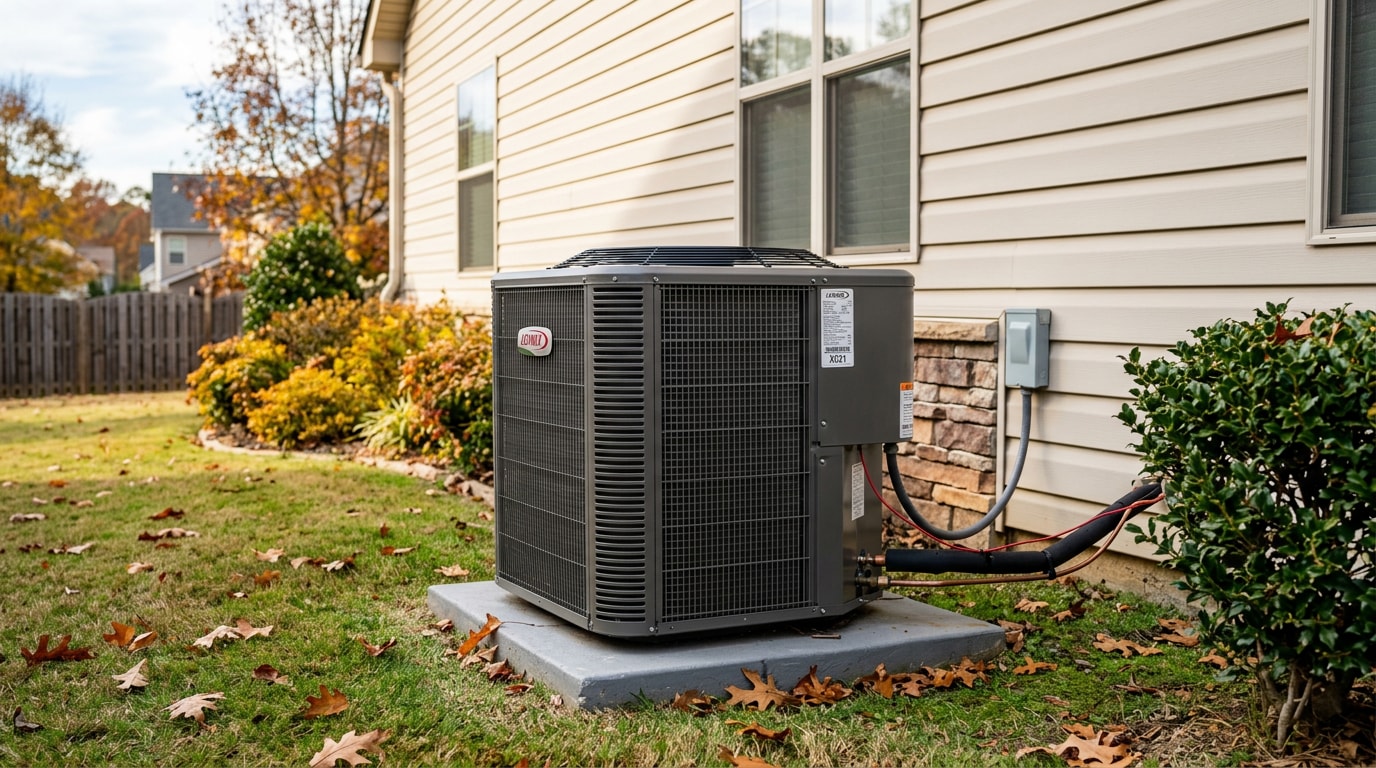
An air conditioning cover in McDonough, GA sounds like cheap insurance against winter, but for most Henry County homes it does more harm than good. Outdoor condensers are built to sit outside all year, and the wrong kind of cover can trap moisture, invite rodents, and restrict airflow your system needs. Here's when a cover actually helps, when it hurts, and how to do it right if you decide you need one.
Do You Need to Cover Your AC Unit in Winter in McDonough, GA?
For most homes in McDonough, no. Modern air conditioners are designed to withstand outdoor elements, including rain, snow, and even extreme cold, because their durable components, such as stainless steel and aluminum, are built to endure harsh weather, and the coils and mechanics are engineered to handle fluctuating temperatures without needing a cover.
They're also built with drainage that sheds winter precipitation and snowmelt, so most outdoor units don't need much protection during the colder months.
That's not marketing fluff. The same engineering that lets your condenser survive a 98-degree July afternoon lets it shrug off a 28-degree January night. If routine upkeep is what's actually on your mind, our air conditioning maintenance team can catch small issues before they become expensive repairs, regardless of season.
How McDonough's Mild Winters Change the Math
A lot of the "cover your AC" advice circulating online was written for homeowners dealing with sustained deep freezes and heavy snowpack. McDonough isn't that climate. Atlanta-area winters average around 36°F at night in January, the coldest month, compared to average highs near 90°F in July.
Snow is occasional, averaging only about 2 inches a year, against roughly 50 inches of total precipitation spread fairly evenly across the seasons.
That's a meaningfully different situation than the ice-and-snow climates a lot of AC-cover advice is written for, where repeated freeze-thaw cycles and heavy accumulation are real engineering considerations. For a deeper look at how local conditions affect system durability, see our McDonough, GA service area page or the Henry County, GA page.
The Hidden Risks of a Full AC Cover
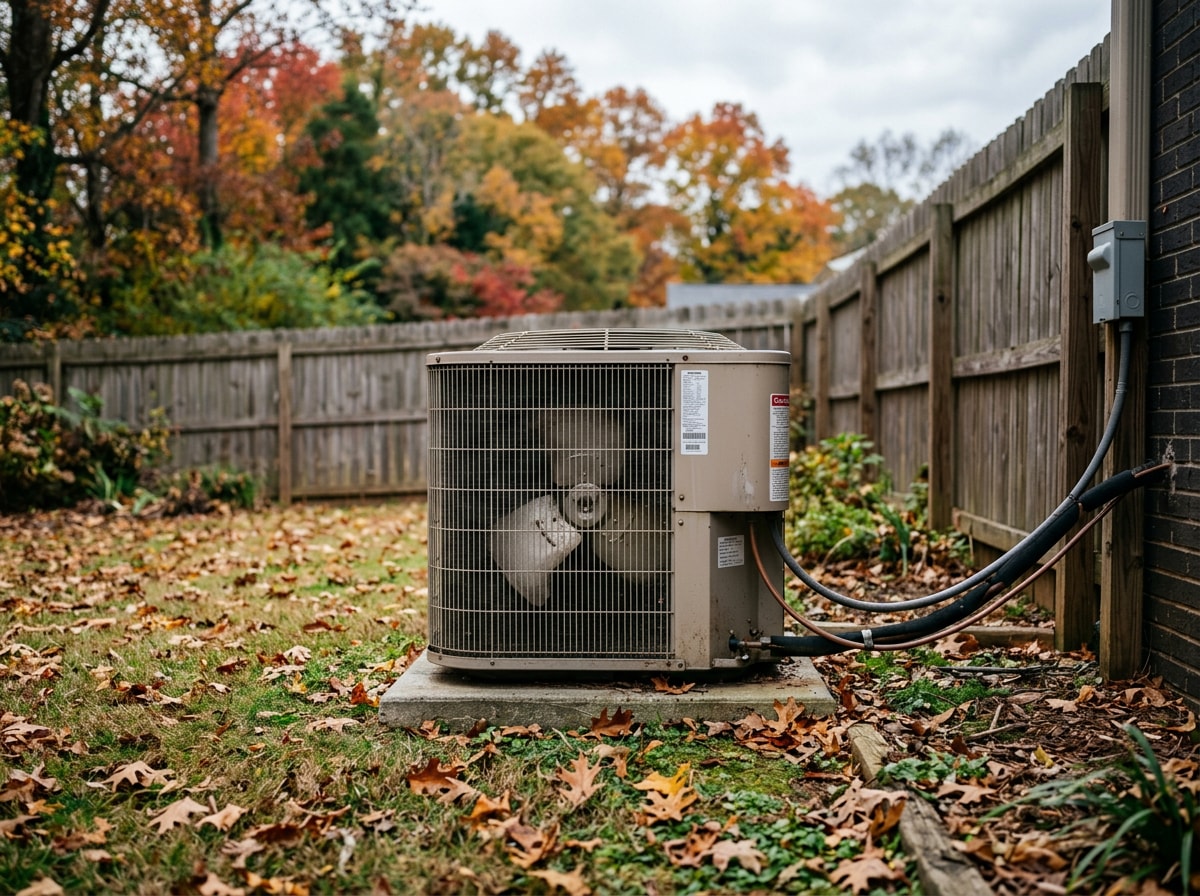
A cover sounds protective, but a sealed condenser doesn't behave like a covered grill or parked car. Wrapping the whole unit creates two problems that are usually worse than anything a Georgia winter does on its own.
Moisture, Rust, and Mold
Covering an air conditioner during winter can trap moisture and condensation inside the unit, which can lead to mold and rust, and that's especially true with plastic covers or other non-breathable materials. The EPA puts the underlying principle simply: "The key to mold control is moisture control."
Across the spring start-up calls we run throughout Henry County, a sealed winter cover is one of the more common reasons a unit's electrical components show corrosion before their time. That's a far more expensive repair than anything cold weather alone would cause.
Pest and Rodent Nesting
A covered outdoor unit can invite unwelcome guests looking to nest inside during the cold months, and rodents, lizards, and other pests that get between the unit and the cover often chew through wires and strip parts to build their shelters. That kind of damage often isn't visible until the system fails to start come spring. If critters have already gotten into your outdoor unit, schedule a free inspection before you run the system for the season, and see what to expect when you call for emergency air conditioning repair in Henry County if the damage turns into a no-cool emergency.
Full Cover vs. Top-Only Cover vs. No Cover
| Option | Debris Protection | Moisture Risk | Pest Risk | Recommended for McDonough |
|---|---|---|---|---|
| No cover | None | Low | Low | Yes, for most homes |
| Breathable top-only cover | Good | Low | Low | Yes, if near trees |
| Full solid tarp or plastic cover | Good | High | High | No |
When a Cover Actually Helps: Fall Debris Protection
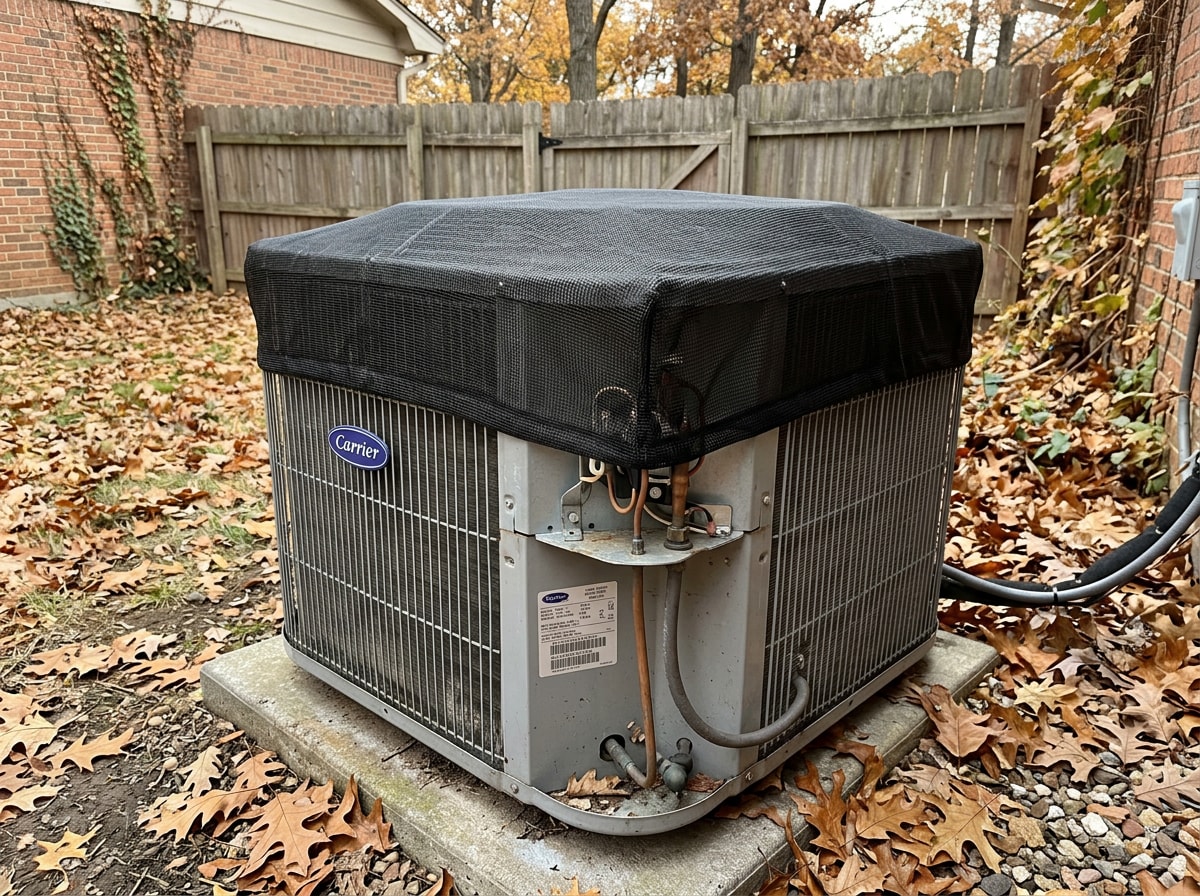
There's one legitimate scenario where a cover earns its keep. If your AC unit sits near trees or areas with falling leaves, twigs, or other debris, it can help to cover it during the fall to prevent clogs in the fan housing and coils.
That's the window when a cover makes sense, not the entire winter. A lightweight, breathable top cover keeps debris out of the fan assembly without sealing in moisture. Once the bulk of leaf drop has passed, take it off.
How to Cover Your AC Unit the Right Way (If You Choose To)
If you've got heavy tree coverage or a unit tucked under an overhang that collects debris, how you cover it matters more than whether you cover it at all.
- Cover only the top of the unit, extending down the sides by a few inches at most.
- Choose breathable mesh over solid plastic or vinyl tarps.
- Leave the sides and bottom fully open for airflow.
- Remove the cover before restarting the system each season.
Keep pollen, twigs, and debris cleared from the top of the unit, and keep plants and shrubs at least 2 feet away; in winter, clear heavy snow off the top and away from the sides.
For manufacturer-level guidance on outdoor unit upkeep, Trane's seasonal HVAC maintenance checklist is a solid reference. For more on moisture and mold prevention generally, see the EPA's brief guide to mold, moisture, and your home, and for the climate data behind this article, the NOAA U.S. Climate Normals are publicly searchable by station.
If you'd rather have a professional look at your system before winter hits, it's worth comparing notes with homeowners outside Henry County too. Our guide on AC works in Butts County, GA covers a lot of the same seasonal upkeep questions from a neighboring community.
Not every covering question is really about covers. If your system struggled to keep up with heat earlier this year, our air conditioning repair team can diagnose the real issue before you put the unit to bed for winter. And if you're just starting your search for a trustworthy local contractor, our homepage has an overview of everything we handle across South Metro Atlanta.
Our technicians are licensed and work across McDonough, Henry County, and the surrounding communities, and we see the same handful of winter-prep mistakes every year. If you want a second opinion before deciding whether to cover your unit, schedule a free inspection and we'll check it in person.
FAQ
Should I cover my AC unit in the winter in McDonough, GA?
Usually not. The unit is built to sit outside year-round, and a full cover traps moisture, invites rodents, and restricts airflow. Given McDonough's mild winters, leaving it uncovered is typically the safer choice.
Do snow and cold damage an AC unit in Georgia?
No. HVAC equipment is engineered to handle both the heat of summer and winter cold. Occasional frost, a light freeze, or the rare snow dusting won't harm a condenser built for year-round outdoor use.
Is it OK to cover just the top of my AC unit?
Yes, that's the one widely accepted option. A breathable, top-only cover can block falling debris or ice without sealing in moisture. Any cover that wraps the sides traps humidity and attracts pests.
Why are full AC covers a bad idea?
Full covers trap moisture against the cabinet, which promotes rust and mold, and they create a sheltered, warm space rodents find appealing. Both problems tend to cause more damage than an uncovered McDonough winter ever would.
What's the best material for a partial AC cover?
Breathable mesh or a rigid panel over the top works best. Solid plastic, vinyl tarps, or anything airtight traps condensation underneath and causes the same moisture and mold problems as a full cover, just on a smaller scale.